
A History of Systemic Racism and Swimming in New York
Based on research by Miriam Bradley
Systemic Racism in the US goes back to the abolition of slavery. Pools were created in free states rather than slave states because white plantation owners in the South were wealthy enough to have private pools. After slavery was abolished, Black Southerners had no access to public pools (McGhee, 2021).
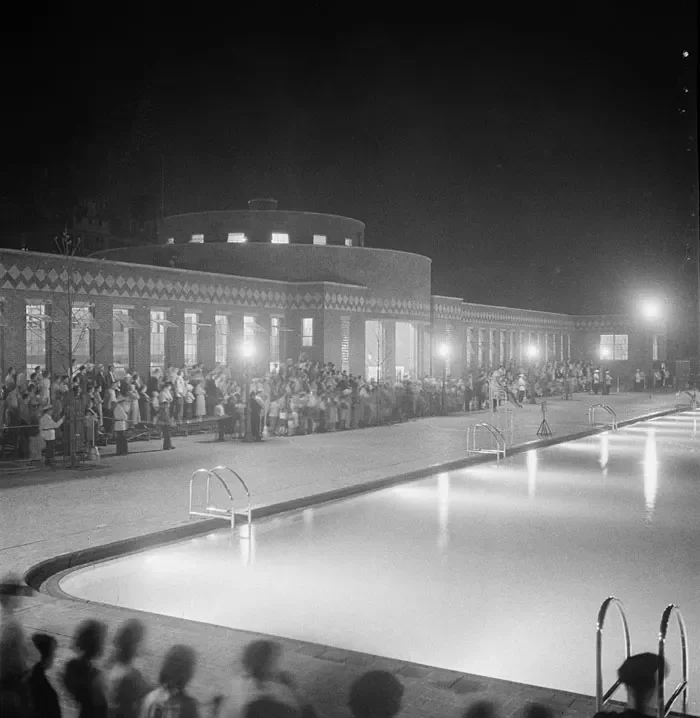
Sunset Park pool opening, Brooklyn, 1936 (NYC Parks)
1936
In the summer of 1936, City Commissioner Robert Moses opened 11 new municipal across NYC under FDR’s New Deal policies and the WPA.
WPA pools were build mostly in white neighborhoods. If people of color wanted to swim in these pools, they would have to travel through white neighborhoods and face discrimination and danger (Wiltse, 2007).
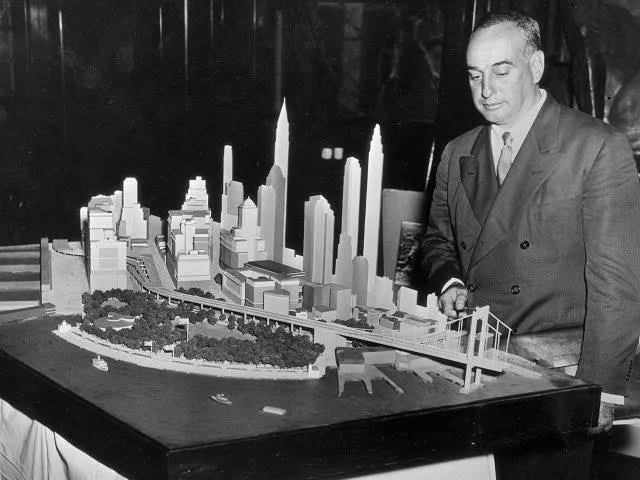
Robert Moses, 1939 (Library of Congress)
Robert Moses infamously built highways across minority neighborhoods in the Bronx. These highways were beneficial to residents with cars, however, they were often too low for buses to pass under. Due to the majority of pools being in white neighborhoods, residents of minority neighborhoods who often needed to take public transportation because they couldn’t afford cars did not have access to most of the city’s WPA pools (Waller et al., 2023).
Here, we see a physical separation between those who receive opportunities and those who don’t. This separation is still impacting who swims today.
As integrated pools opened, racial violence persisted across the United States.
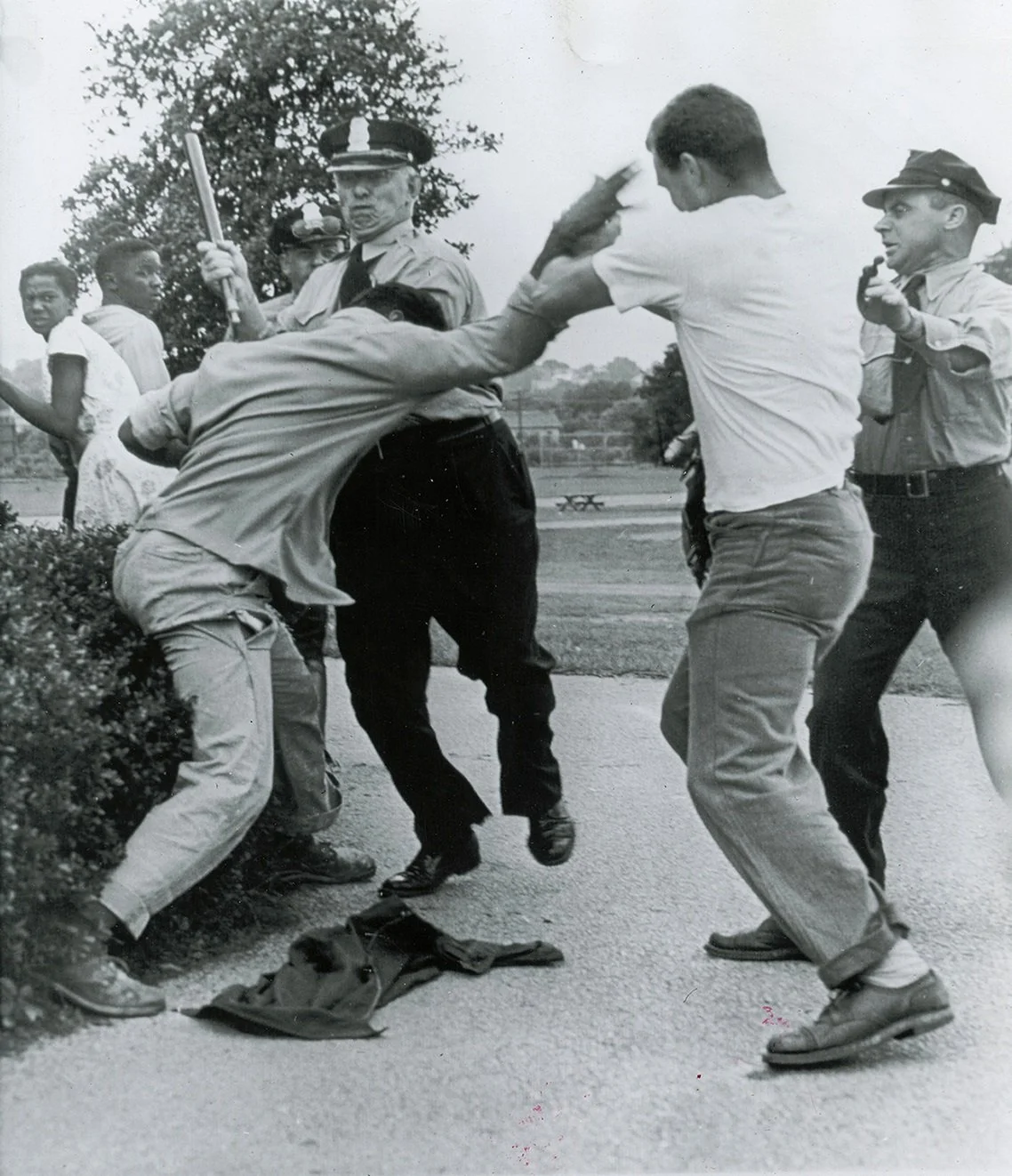
Anacostia Pool Riot, 1949 (DC Historic Sites, n.d.)
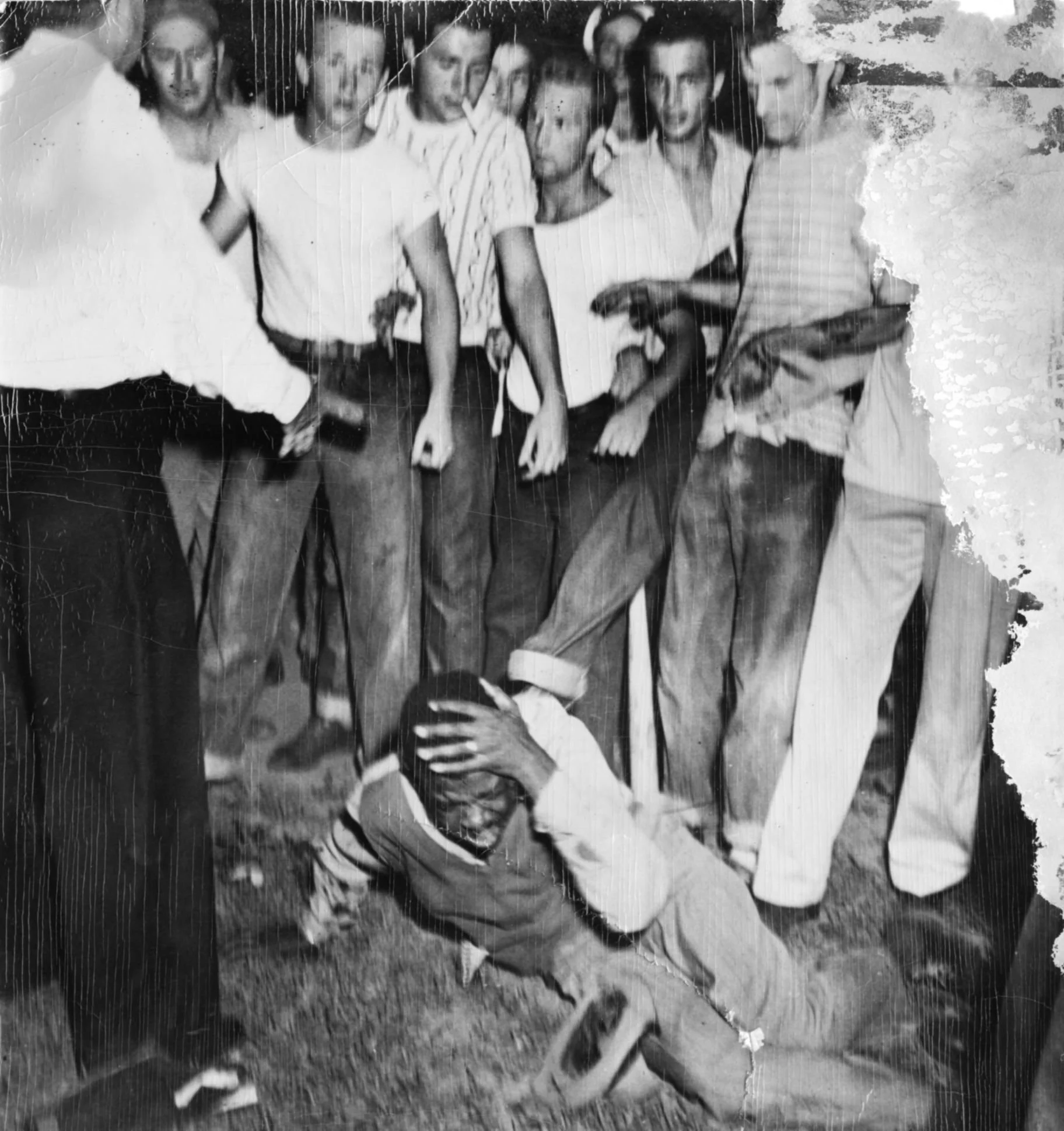
Fairground Park Riot, 1949 (Georgia State University, 2026)
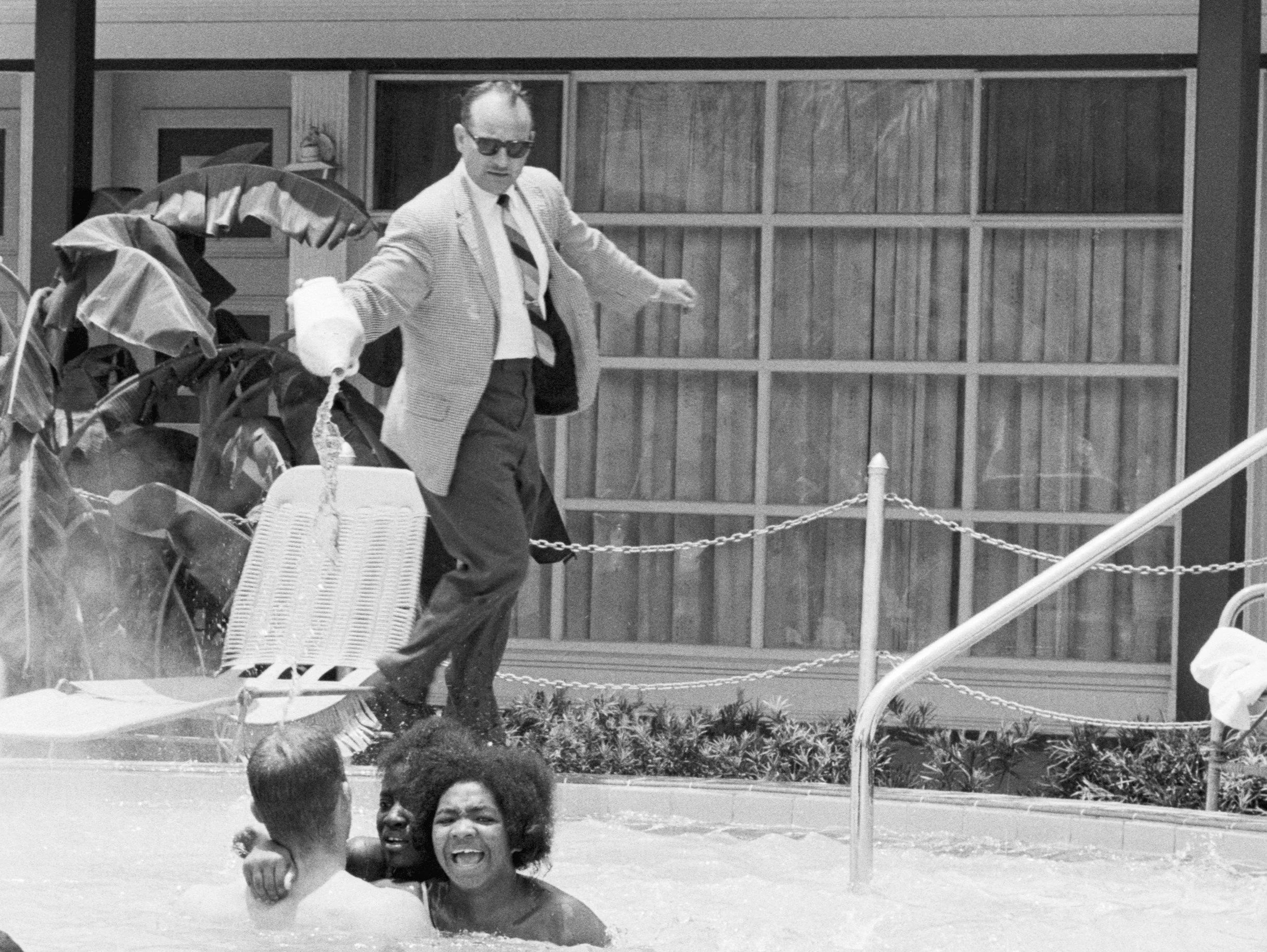
Motel Manager Pouring Acid in the Water When Black People Swam in His Pool, 1964